





Recent Post

19 June 2026
How to Use Magnesium Body Lotion Right

16 June 2026
12 Best Self Care Gifts Postpartum
Everyday Outfits for Busy Moms That Feel Good
The outfit that works at 7:12 a.m. is rarely the outfit that looks best on a chair the night before. It is the one you can nurse in, stretch in, bend in, spill on, wash, and wear again without feeling like you disappeared into motherhood. That is why everyday outfits for busy moms need to do more than look presentable. They need to protect your energy, support your body, and still feel like you.
For many mothers, getting dressed is less about fashion and more about visual calm. When the house is already asking something from you, your clothes should not add friction. The right outfit reduces decision fatigue. It gives shape to the day. And in a season when so much is functional, a well-chosen look can quietly return a sense of identity.
What everyday outfits for busy moms really need to do
A useful everyday wardrobe starts with honesty. Your clothes are not for a fantasy schedule. They are for contact naps, grocery pickups, stroller walks, preschool drop-off, work-from-home hours, and the occasional coffee that goes cold three times.
That means comfort matters, but comfort alone is not the full goal. There is a difference between feeling comfortable and feeling cared for. Soft fabrics, forgiving waistbands, and supportive layers matter because they let you move through the day without constant adjustment. But color palette, silhouette, and texture matter too. They create a sense of order when life feels scattered.
The sweet spot is clothing that feels polished without becoming precious. If a piece makes you nervous to sit on the floor, carry a baby, or wash it often, it may not belong in your regular rotation right now. On the other hand, if everything feels oversized, faded, or purely utilitarian, you may start to feel disconnected from your own reflection. Both realities can be true. The answer usually lives somewhere in the middle.
Start with a quiet foundation
The easiest wardrobes are built from pieces that work together without much thought. This is where a softer, more intentional palette helps. Cream, oatmeal, black, olive, heather gray, soft navy, and warm brown tend to mix easily and photograph less visually noisy than loud prints or sharp contrast.
This does not mean your style has to become beige or flat. It means your closet should feel edited enough that almost everything can pair with almost everything else. When your base layers coordinate naturally, dressing becomes less about creating an outfit and more about choosing a mood. Some days that mood is grounded and athletic. Some days it is gentle and elevated. Both can come from the same small core wardrobe.
Fit also matters more than trends in this season. Bodies shift during pregnancy, postpartum, and early motherhood, sometimes quickly and sometimes slowly. Pieces with stretch, drape, or adjustable shape tend to offer more grace than anything rigid. A good rule is simple: if it asks you to monitor your body all day, it is probably not serving you.
The pieces that carry the most weight
In most closets, a few categories do the heavy lifting. A pair of maternity or postpartum-friendly leggings, a relaxed but structured tee, a longline button-down, a soft knit set, and one easy layer like a cardigan or lightweight jacket can carry a surprising number of days.
A matching set is especially helpful because it removes the work of pairing. It looks considered with almost no effort, which matters when your mind is already full. Activewear can do this beautifully when the fabric feels substantial and the shape is flattering enough to wear beyond a workout. This is one place where maternity activewear earns its keep. It moves with you, supports changing proportions, and helps bridge the gap between home, errands, and a walk outside.
The goal is not to own more. It is to rely on fewer pieces that genuinely support your life.
Three outfit formulas that simplify real mornings
When time is short, formulas are kinder than inspiration. You do not need to reinvent your style each morning. You need combinations that work on low sleep and autopilot.
1. The elevated active layer
Start with supportive leggings and a fitted tank or tee, then add an oversized button-down or soft zip layer. Finish with clean sneakers and simple jewelry if you enjoy that final touch.
This outfit works because it balances shape and ease. The base feels secure and comfortable, while the top layer adds softness and coverage. It is ideal for school drop-off, a quick walk, a casual lunch, or a day when you are mostly home but still want to feel dressed.
2. The knit set with one structured piece
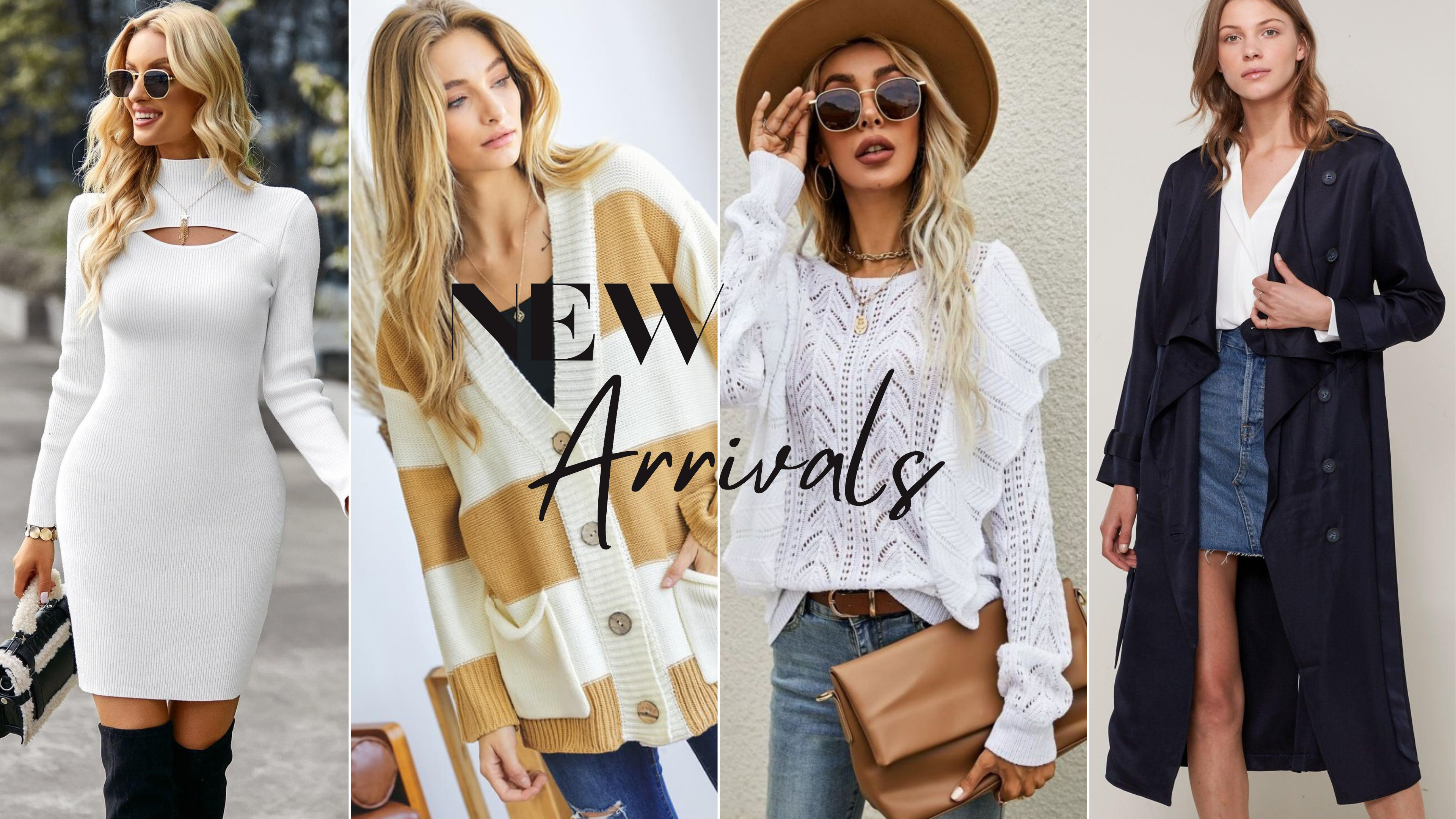
A knit top and matching pants or shorts create an instantly cohesive look. Add a trench-style layer, a crisp cardigan, or a clean leather tote, and the outfit moves from loungewear into everyday wear.
This formula is especially useful during postpartum or pregnancy because it is gentle on the body without looking unfinished. If you are in a season where waistbands feel unpredictable, soft sets can be more forgiving than denim. The trade-off is that knitwear can sometimes feel too casual, so one more refined accessory or layer helps anchor it.
3. The easy dress plus grounding layer
A simple midi dress in a soft fabric can be one of the lowest-effort outfits in your closet. Add a cardigan, a lightweight jacket, or even a crewneck layered over the top to shift the silhouette.
This option works well when you want to feel feminine without fuss. It can also be more comfortable than separates on warmer days. The key is choosing dresses that move with you and allow for real life. If you are bending, lifting, nursing, or constantly on the floor, ease of movement matters more than any trend detail.
Why texture matters as much as fit
Busy mornings are sensory. If a waistband digs, a seam scratches, or a fabric turns sheer in daylight, your body notices even when your mind is on other things. That is why texture plays such a quiet but powerful role in everyday outfits for busy moms.
Brushed cotton, soft rib knits, washed jersey, and smooth performance fabrics often feel gentler on tired or changing bodies. Texture can also make simple outfits look richer without extra styling. A ribbed knit set feels more intentional than a flat basic. A gauzy button-down adds dimension to leggings. A quilted layer can make the most minimal outfit feel complete.
There is also an emotional side to fabric. Clothes that feel soothing can lower the friction of getting dressed. That may sound small, but motherhood is often shaped by small repeated moments. If your outfit begins the day with comfort instead of irritation, that has value.
Get dressed for your actual patterns
It helps to build outfits around what your week really looks like. A mother in the newborn stage may need pieces that feel soft, washable, and easy for feeding. A mom with a toddler may care more about crouching, running, and playground comfort. A working mother may need layers that look calm on video calls and still function for pickup and dinner.
This is where many wardrobes become frustrating. They are built around occasional versions of life rather than repeated ones. If your days are mostly made of movement, choose clothes that welcome movement. If you spend a lot of time at home, focus on pieces that feel restorative but still presentable. If you leave the house often, prioritize layers that make simple basics look finished.
There is no single correct formula. Denim may feel grounding for one mom and unbearable for another. A fitted tank may feel supportive to one body and too exposed for someone else. Personal style still matters here. So does sensory preference. The point is not to copy a uniform. It is to create one that honors your reality.
A more intentional closet can protect your identity
Motherhood can blur the line between care for others and care for self. Clothing will not solve that, but it can help reinforce that you are still a person with taste, rhythm, and presence. An intentional wardrobe says: I deserve ease, and I deserve beauty too.
That can be as simple as repeating silhouettes you know you love, choosing colors that calm you, or keeping a few pieces that make ordinary days feel slightly more collected. It can also mean letting go of clothes that belong to a former season, whether they no longer fit your body or no longer fit your life.
At SwagglyLife, that philosophy lives in more than what you wear. It is in the idea that motherhood feels lighter when your environment and daily rituals are thoughtfully chosen. The same instinct that wants visual quiet in a nursery often wants it in a closet too.
The best everyday outfit is not the one that impresses strangers. It is the one that lets you move through your day with less noise and more steadiness, while still feeling unmistakably like yourself.


