






Recent Post


Glass vs Plastic Baby Bottles: Your Best Choice
The bottle question usually arrives in a small, tired window of time. Baby is hungry. Your cart is open. One option promises purity. Another promises convenience. And when you're already making a hundred tiny decisions a day, even glass vs plastic baby bottles can feel heavier than it should.
At SwagglyLife, we think this choice matters. Not because motherhood needs one more perfection test, but because feeding happens in the most intimate corners of the day. Early morning light. A quiet chair. A warm bottle in your hand. The right choice is the one that supports peace of mind, fits your rhythm, and keeps your routine feeling as calm as possible.
If you're building your first setup, our guide to baby essentials for first-time moms helps simplify the rest of the decision stack too.
Table of Contents
- Choosing More Than Just a Bottle
- The Two Philosophies Behind Your Baby's Bottle
- Purity and Peace of Mind A Closer Look at Safety
- The Daily Ritual Handling Durability and Cleaning
- Cost and Conscious Consumption A Lifetime Investment
- Your Confident Choice A Decision Checklist
- Answering Your Final Questions
Choosing More Than Just a Bottle
A feeding bottle isn't just a container. It becomes part of the atmosphere of your day.
Some parents want the lightest, easiest option for errands, daycare handoffs, and middle-of-the-night feeds. Others want the material that feels cleaner, quieter, and more enduring in a home that's already full of plastic parts and fast decisions. Both instincts are valid.

The mothers we serve at SwagglyLife often aren't looking for more noise. They're looking for practical luxury. The kind that makes daily care feel intentional instead of chaotic. In that frame, glass and plastic represent two different rhythms.
A quick side by side view
| Feature | Glass bottles | Plastic bottles |
|---|---|---|
| Feel in hand | Weighted, substantial, calm | Light, easy, grab-and-go |
| Purity | Inert material | Depends on plastic type and use |
| Travel ease | Less convenient | Very convenient |
| Breakage risk | Higher | Lower |
| Long-term look | Stays clear, resists odor | Can cloud, scratch, warp |
| Upfront cost | Higher | Lower |
| Ritual fit | Home-centered, slower, intentional | Mobile, fast, flexible |
Feeding works better when the setup matches the way you actually live, not the version of motherhood that looks neat on a checklist.
This decision doesn't need panic. It needs alignment. If your home leans minimalist, sensory-soft, and low-tox where possible, glass may feel immediately right. If your days are full of movement and shared caregiving, plastic may still have a place.
The Two Philosophies Behind Your Baby's Bottle
The easiest way to sort this out is to stop treating bottle materials like a technical contest and start treating them like two different design philosophies.
Glass as the heirloom choice
Glass feels like the slower, more grounded option. It suits parents who want objects in their home to age well, clean up beautifully, and hold their integrity over time.
It also brings a certain visual quiet. A clear bottle on a neutral burp cloth looks calm. It doesn't scratch into a cloudy finish. It doesn't absorb yesterday's smell. It often feels more at home in a carefully edited nursery or kitchen where fewer, better things matter.
This is the bottle material for parents who value:
- Purity first: An inert material with no plasticizers.
- Longevity: Something that still feels usable after long, repeated care.
- A calmer visual field: Fewer signs of wear, less cluttered energy.
- Conscious buying: Choosing one durable item instead of cycling through replacements.
Plastic as the modern convenience choice
Plastic sits on the other side of the spectrum. It's light, practical, and made for movement. If feeding needs to work in the car, in a diaper bag, with grandparents, and during rushed transitions, plastic answers a real need.
Its appeal is straightforward. It won't shatter if dropped. It's easier for many babies and caregivers to hold. It tends to be the more accessible starting point when you're buying a full feeding setup and trying not to overspend all at once.
Plastic usually fits families who prioritize:
- Portability: Light enough for daily travel.
- Low breakage stress: Easier to hand off without worry.
- Lower entry cost: Simpler to buy in multiples.
- Everyday flexibility: Good for households with many caregivers.
The most honest framing
Neither material is a moral badge. They're tools.
Glass usually appeals to the parent who wants feeding to feel cleaner and more restorative. Plastic usually appeals to the parent who needs feeding to stay easy under pressure. Many families land somewhere in the middle and use one at home, the other outside the house.
That kind of hybrid approach often creates the most ease.
Purity and Peace of Mind A Closer Look at Safety
Safety is where this conversation becomes more than aesthetic preference. The material itself changes what may happen during heating, sterilizing, and mixing.

What happens with heat
The clearest concern with plastic bottles is microplastic shedding during normal use.
A definitive 2020 study published in Nature Food found that polypropylene baby bottles released between 1.3 million and 16.2 million microplastic particles per liter of formula when prepared at 70°C, which is the temperature recommended for safe formula mixing, as summarized in this review of microplastic-free baby bottle findings.
Glass doesn't have that issue in the same way. Borosilicate glass is described as chemically inert, and the same source notes that it releases zero microplastic or nanoplastic particles at preparation temperatures.
Why glass feels simpler
Modern plastic bottles sold in the U.S. are regulated to be BPA-free, which matters. If you'd like a plain-language overview of the benefits of BPA free materials, that resource is a useful starting point.
Still, BPA-free isn't the same as chemically inert. Verified data for this topic notes that glass bottles are free from BPA, BPS, and phthalates entirely, and they don't leach chemicals into milk when heated or sterilized repeatedly.
Practical rule: If your priority is the least complicated material story, glass is the cleaner answer. You don't need to keep decoding polymer types, heat limits, or visible wear in the same way.
Heat is not the only issue
A detail many parents miss is that shaking plastic bottles also matters.
The concern isn't only boiling or warming. Mechanical stress adds to the problem with plastic over time, especially in routines where formula is mixed directly inside the bottle and shaken hard. That makes the preparation method part of the safety conversation, not just the bottle label.
What this means in real life
For parents who want the strongest purity case, glass is the standard that asks the least compromise. It's stable, inert, and doesn't carry the same ongoing questions around particle release.
Plastic isn't automatically unusable. But it does require more attention to handling, heating, and replacement. That makes it a more management-heavy material.
At SwagglyLife, practical luxury matters most. Peace of mind is a feature. When one material lets a mother stop second-guessing every warm-up, sterilizing cycle, or visible scratch, that has real value in daily life.
The Daily Ritual Handling Durability and Cleaning
Safety matters, but so does 6:10 a.m. So does the diaper bag. So does how a bottle looks after weeks of washing.

Handling at home and on the go
Glass feels substantial in the hand. Many parents like that weighted, anchored feel during seated feeds at home. It can make the ritual feel slower and steadier, especially in the early months when feeding is less about mobility and more about nesting into one place.
Plastic is easier in transit. It disappears into a packed tote without adding much weight, and it tends to feel less stressful when multiple caregivers are involved. If an older baby is learning to hold a bottle, the lighter material may also feel more manageable.
A practical split often works well:
- For home feeds: Glass often feels calmer and easier to keep pristine.
- For travel days: Plastic is lighter and less stressful if dropped.
- For shared care: Plastic can be the easier handoff item for grandparents, sitters, or daycare.
Cleaning and visual wear
Here is where glass keeps earning points. It resists odors, stains, and cloudiness. It tends to keep that clean, clear look that supports a less cluttered visual environment.
Plastic changes faster. Verified guidance notes that plastic baby bottles should generally be replaced every six months, even if they appear intact, because cloudiness, warping, or cracks can increase chemical leaching and microplastic shedding.
A bottle that looks tired usually adds invisible mental load too. Parents notice it, even when they can't name why the routine starts feeling less settled.
If you're setting up a registry or checking what feeding pieces you still need, this expectant parents' feeding checklist is helpful for organizing the basics in one pass.
Sterilizing without extra stress
Glass handles repeated high-heat care better. Plastic asks for more restraint. Verified guidance notes that when sterilizing plastic bottles, heat exposure shouldn't exceed 10 minutes on high settings, and microwaving plastic bottles should be avoided because heat breaks some plastics down more quickly, according to Babylist's bottle safety guidance.
That changes the tone of the routine. Glass tends to let you clean, sterilize, and move on. Plastic often asks you to remember one more rule.
If you're building a calmer out-the-door setup around feeds, our minimalist diaper bag checklist helps trim the extras.
A gentle reset for the whole ritual
Feeding doesn't happen in isolation. The room, the textures, the softness around you all matter.
A quiet ritual can be as simple as a clean bottle, a comfortable chair, and one beautiful textile nearby. In our curated motherhood assortment, the Aden Cotton Reversible Baby Blanket is one of those pieces that supports the atmosphere around feeding. It's soft, washable, and easy to keep within reach for cuddle time, shoulder drapes, or a warm lap layer during long feeds.
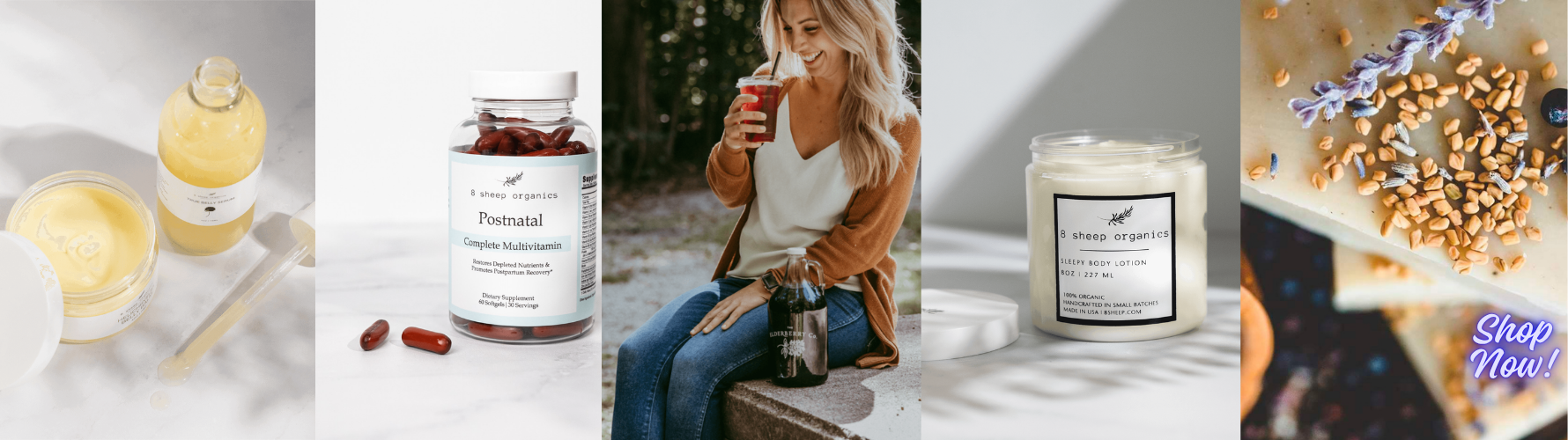
Need a softer setup around feeding time? Explore our curated collections for new mom essentials, premium nursery pieces, and thoughtful brands that support a calmer daily rhythm, including authentic selections from 8 Sheep Organics, Duncan & Stone, and UA Hawaii.
Cost and Conscious Consumption A Lifetime Investment
The cost difference is real, and it's worth naming plainly.
In the United States, a comparable plastic set costs $20 to $35, while a decent glass set runs $40 to $80, making glass 2 to 3 times more expensive upfront, according to this U.S.-focused glass versus plastic bottle pricing overview.
Upfront price versus total use
If you're only looking at the first purchase, plastic wins. No question.
But families rarely experience baby gear as a single transaction. They experience it through replacement, wear, hand-me-down potential, and the feeling of whether something still looks and functions well after months of daily use. Verified data for this topic also notes that glass bottles can last through two or three children without noticeable deterioration, while plastic tends to degrade faster over time.
That shifts the equation.
Buying fewer, better things
There is a practical luxury mindset that serves mothers well here. Buy less. Buy well. Keep what still works beautifully.
Glass fits that philosophy better than plastic does. It aligns with homes that don't want drawers full of cloudy extras or a cycle of repeated replacement. It also supports a more conscious approach to consumption, especially for families trying to cut back on disposable habits where possible.
A simple way to consider it:
- Choose plastic if low upfront spend is your immediate priority.
- Choose glass if you care more about longevity, material stability, and keeping fewer items in rotation.
- Choose both if you want the calm of glass at home and the convenience of plastic for travel.
If you're building a registry with that fewer-but-better lens, our minimalist baby shower registry guide can help you edit with intention.
Your Confident Choice A Decision Checklist
A confident choice usually comes from knowing what matters most to you before the shopping tab opens.

Choose glass if these sound like you
- You want the simplest material story. You'd rather not monitor scratches, cloudiness, or heating limits too closely.
- Home feeding is your main rhythm. Most bottles will be used in a chair, nursery, or kitchen rather than constantly in transit.
- You love visual quiet. Clear, enduring materials help your space feel calmer.
- You'd rather buy once and keep using it. Longevity matters more than the lowest entry price.
Choose plastic if these sound like you
- Portability is everything. Your bottle setup needs to move through errands, daycare, and car rides easily.
- You need a lighter bottle for multiple caregivers. Ease of handling matters more than material permanence.
- The budget needs flexibility now. The lower upfront cost creates breathing room in a season with many purchases.
- You don't mind active maintenance. You're comfortable replacing bottles on schedule and being mindful with heat exposure.
If you use plastic, the smartest habit is often changing the preparation method, not just the bottle brand.
One often-missed adjustment
A 2020 study confirmed that vigorous shaking causes microplastics to flake off into the liquid, as noted in this article on glass and plastic bottle use habits.
That means one of the most useful practical changes is this:
- Mix formula in a separate glass or stainless-steel container
- Let it settle without aggressive shaking in the plastic bottle
- Transfer it after mixing if plastic is the bottle you're using
This is one of the clearest ways to reduce unnecessary exposure during normal feeding prep.
A calm final checklist
Ask yourself:
- What matters more to me right now? Ultimate purity or maximum convenience?
- Where will most feeds happen? At home, on the road, or both?
- Do I want fewer replacements? Or a lower initial spend?
- Will a weighted glass bottle feel grounding? Or inconvenient in my real routine?
- Am I comfortable managing plastic carefully? With heat, wear, and mixing habits in mind?
There isn't one perfect family answer. There is only the one that makes your everyday life feel more supported.
Ready to choose with intention? Explore our curated collections for motherhood, baby, and home, including featured brands like 8 Sheep Organics, Duncan & Stone, and UA Hawaii, all selected to support a softer, more considered daily rhythm.
Answering Your Final Questions
Are silicone bottles a good middle ground
They can be, especially if you want something softer and lighter than glass. But if your priority is the most inert material option, glass still remains the cleaner benchmark in this conversation.
How should I warm milk in a glass bottle
Warm it gradually and check the temperature before feeding. Glass handles heat well, but the outside can feel warm in your hand, so test for comfort before offering it.
What's the smartest way to travel with glass bottles
Use a padded sleeve, keep them upright when possible, and pack only what you need for that outing. Many families reserve glass for home and keep a smaller plastic setup for high-movement days.
Is there any reason to be extra cautious with plastic beyond microplastics
Yes. A clinical study published in PMC found that infants fed via plastic bottles showed statistically significant biochemical alterations, including deranged lipid profiles and increased serum urea levels, which adds physiological concern beyond general leaching discussions, according to the PMC study on plastic bottle toxicity.
Do I have to choose only one material
No. For many families, the most realistic answer is a mixed system. Glass supports a more restorative home ritual. Plastic may still serve a practical role outside the house.
If you're ready to build a feeding setup that feels calm, useful, and beautifully considered, explore SwagglyLife Home & Fashion. You'll find curated motherhood, baby, wellness, and lifestyle pieces, including authentic selections from 8 Sheep Organics, Duncan & Stone, and UA Hawaii, chosen to support both baby care and the gentle art of mothering the mother.


